Source Embroidery Knitted Hat for Winter, Sports, and Casual Use
Find 30 embroidery knitted hat options for winter warmth, sports, and casual wear. Compare materials like acrylic and polyester/cotton, check sizes from 56-60cm, and review customization features for unisex adult styles; compare the available evidence and request quotations based on your requirements.
Key considerations
Products List




Comprehensive Sourcing Guide
Embroidery Knitted Hat Sourcing Guide
Procuring embroidered knitted hats requires a nuanced understanding of material properties, decorative techniques, and seasonal demand cycles. Buyers must distinguish between standard knit structures and those enhanced with specific embroidery processes, as these choices directly impact durability, comfort, and aesthetic appeal. The market offers a diverse range of options, from simple striped patterns to complex animal-themed designs, each requiring distinct quality control measures. Understanding these variations is essential for aligning product selection with target audience preferences and brand identity.
This guide provides a structured approach to sourcing, focusing on technical verification, compliance, and commercial terms. By examining observed listing signals and supplier capabilities, buyers can mitigate risks associated with inconsistent quality or delayed deliveries. The following sections detail the critical steps for evaluating suppliers, verifying specifications, and establishing long-term procurement strategies that ensure consistent product performance and customer satisfaction in the competitive winter apparel market.
Product Scope and Observed Listing Signals
The current market landscape for embroidered knitted hats reveals a wide variety of styles, materials, and customization options. Observed listings indicate a strong presence of acrylic and polyester-cotton blends, catering to different thermal and tactile requirements. Buyers should note the prevalence of specific design elements such as striped, checked, and animal-themed patterns, which are often enhanced through 3D embroidery or standard printed techniques. These visual attributes are critical for defining the product’s market positioning and appeal to specific demographic segments.
Listing data also highlights significant variability in packaging and model identifiers, suggesting a fragmented supplier base with diverse operational standards. Common model codes like SH10-1K046 and SS12-CK150 appear alongside generic descriptors, indicating that buyers must rely on detailed product specifications rather than model numbers alone. Additionally, the availability of customization services and the presence of SGS inspection reports in some listings provide valuable signals regarding supplier professionalism and commitment to quality assurance protocols.
Technical Specifications to Verify
Verifying technical specifications is paramount to ensuring the final product meets functional and aesthetic expectations. Buyers should prioritize the verification of material composition, particularly the distinction between 100% acrylic and polyester-cotton blends, as these affect warmth, breathability, and care instructions. The presence or absence of a brim and crown structure also influences the hat’s fit and style, requiring clear confirmation during the sampling phase. Additionally, size ranges, such as 56-60cm, must be validated against target market anthropometric data to ensure proper fit for adult users.
Embroidery technique and pattern application are equally critical technical aspects that require rigorous verification. Buyers must confirm whether the design utilizes 3D embroidery, standard printing, or other specialized processes, as these impact durability and visual depth. The integration of special features such as lightweight construction, ear warming capabilities, and antimicrobial treatments should be explicitly documented in technical sheets. Ensuring that these attributes are accurately represented in the final product prevents discrepancies between samples and bulk orders.
Compliance and Safety Documentation
Compliance and safety documentation form the backbone of responsible procurement, ensuring that products meet regulatory standards in target markets. Buyers should request evidence of third-party inspections, such as SGS reports, to verify that manufacturing processes adhere to established quality and safety benchmarks. These documents provide objective validation of product integrity and help mitigate risks associated with non-compliant materials or unsafe production practices. Without such verification, buyers expose themselves to potential regulatory penalties and reputational damage.
In addition to inspection reports, buyers must ensure that all materials used in the knitted hats are compliant with relevant chemical and physical safety standards. This includes verifying that dyes and finishes do not contain harmful substances and that the final product meets flammability and toxicity requirements. Clear documentation of these compliance measures is essential for customs clearance and retail distribution, particularly in regions with stringent consumer protection laws. Maintaining a robust compliance framework protects both the buyer and the end consumer.
Cost Drivers and Commercial Terms
Understanding the cost drivers and commercial terms is essential for effective budgeting and negotiation. Material costs, particularly the price fluctuations of acrylic and cotton, significantly influence the final unit price. Buyers should also consider the impact of customization complexity, as intricate embroidery patterns and special features can increase production costs. Additionally, packaging requirements, such as individual OPP bags or bulk carton configurations, affect logistics expenses and overall landed costs.
Commercial terms, including minimum order quantities (MOQ) and lead times, vary widely among suppliers. Observed MOQs range from small batches to large volumes, allowing buyers to align orders with inventory needs. Sample times, typically around seven days, provide a window for quality assessment before committing to bulk production. Buyers should negotiate clear terms regarding payment schedules, shipping methods, and liability for defects to ensure a smooth procurement process and minimize financial risk.
Supplier Qualification and Quality Control
Supplier qualification involves a thorough assessment of manufacturing capabilities, quality control systems, and operational reliability. Buyers should evaluate suppliers based on their ability to consistently produce high-quality embroidered knitted hats that meet specified technical requirements. This includes verifying their production capacity, equipment sophistication, and experience with similar products. Suppliers with a proven track record of delivering customized orders are preferable for complex procurement needs.
Quality control measures must be integrated throughout the production process to ensure consistent product quality. Buyers should implement pre-production, during-production, and pre-shipment inspections to identify and rectify defects early. Clear communication of quality standards and acceptance criteria is essential to align supplier output with buyer expectations. Establishing a robust quality control framework reduces the risk of receiving substandard products and enhances overall supply chain efficiency.
Long-Term Procurement Checks
Long-term procurement checks focus on sustaining supplier performance and adapting to market changes. Regular audits and performance reviews help identify areas for improvement and ensure that suppliers continue to meet quality and delivery standards. Buyers should monitor supplier responsiveness, innovation capabilities, and adherence to ethical labor practices to maintain a responsible supply chain. Continuous engagement fosters a collaborative relationship that benefits both parties.
Additionally, buyers should stay informed about industry trends and technological advancements in knitwear manufacturing. This includes monitoring shifts in material preferences, design aesthetics, and regulatory requirements. By proactively adapting to these changes, buyers can maintain a competitive edge and ensure that their product offerings remain relevant and appealing to consumers. Long-term strategic planning is essential for sustaining growth and profitability in the dynamic embroidered knitted hat market.
FAQs
What materials are used for these embroidery knitted hats?
The hats are primarily made from 100% acrylic or a polyester cotton blend. These materials ensure warmth and durability for winter use. Some models feature specific patterns like stripes or checks while maintaining comfort for adult users.
Can I customize the size and design of the hats?
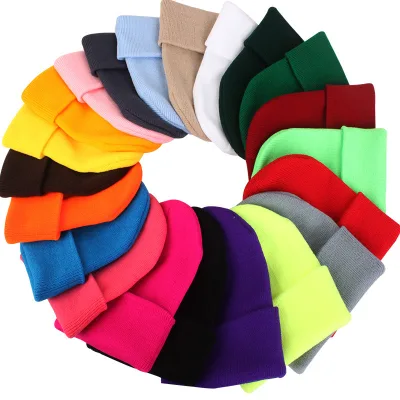
Yes, customization is available for these embroidery knitted hats. Standard sizes range from 56 to 60 cm, but you can request specific dimensions. You may also choose from various colors including blue, black, red, and yellow to match your brand requirements.
What is the minimum order quantity for these hats?
The minimum order quantity varies between 2 and 1000 pieces depending on the specific model. Bulk orders often come with standard packaging like 100 or 200 pieces per carton. This flexibility allows buyers to start with small test orders or large shipments.
How long does it take to receive a sample?
Sample production typically takes 7 to 10 days to complete. Once ready, samples can be shipped via sea or air from ports like Shanghai. This timeline ensures you receive a quality check before committing to a larger bulk order.
Which certifications do the manufacturers hold for these hats?
Some products undergo inspection by SGS to ensure quality standards are met. While specific certifications vary by factory, the production process adheres to customized standards. Buyers should verify specific compliance details with the supplier before finalizing the purchase agreement.
Where are these embroidery knitted hats manufactured?
These hats are manufactured in China, specifically in regions like Wenzhou and Guangdong. The origin location influences shipping logistics and lead times. Buyers can expect efficient production capabilities from these established manufacturing hubs in the textile industry.
What styles and patterns are available for these hats?
Available styles include striped, checked, and dobby patterns with embroidery or printed designs. Colors range from solid options like blue and black to colorful mixes. Some models feature special themes like animals or lightweight ear warmer designs for specific winter needs.